Hip Hinge Alignment Trainer
Move the hips. Steady the back. Train the glutes with precision.
- Three-point alignment
- Hip-dominant movement
- Less lower-back compensation
- Glute and leg shaping support
CN¥688.00
Active Platinum members receive 40% off equipment. Books are excluded.
Loading reference rates. Showing original currencies for now.
Each product keeps its base currency; conversions are estimates. Confirm configuration, shipping and Platinum pricing through the official email.
To train your glutes well, first learn to use your hips.
In squats, deadlifts, good mornings and other glute and leg work, many people can't separate hip movement from lower-back movement. You aim for your glutes but your back gets tired. You deadlift by rounding and looking up. Your spine shifts as your hips move back. These are often signs of an unpractised hip hinge.
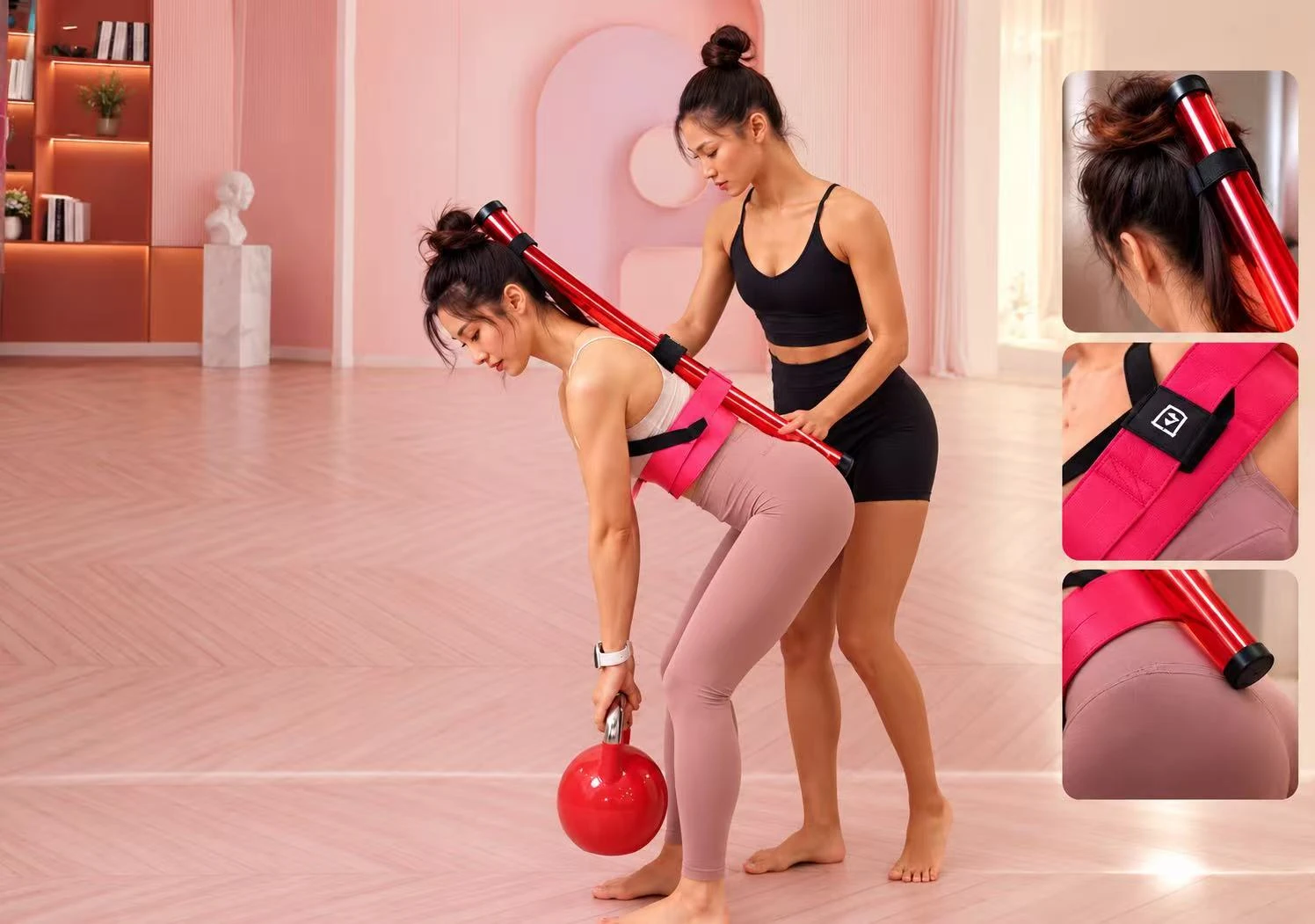
The Hip Hinge Alignment Trainer is designed to teach hip flexion and extension with a controlled trunk. Three contact points, at the back of the head, the upper back and near the sacrum, give clear position feedback so you learn to move around the hips while the trunk stays steady.
Unlike a dowel you have to hold with both hands, its wearable harness keeps the bar in place, so hinge practice is easier.
From a basic bodyweight hinge to Romanian deadlift preparation and glute and leg training, it builds clearer movement awareness.
Drive from the hips. Make every glute session count.
Turn abstract cues into feedback you can feel.
- 01THREE-POINT ALIGNMENT
Three-point alignment
The back of the head tracks head and neck position, so you don't look up or down. The upper back tracks trunk alignment. The point near the sacrum, just above the glutes, tracks the pelvis and separates hip movement from lower-back compensation. Keep your natural spinal curves and the three points steady.
Three points of contact. Feedback you can feel.
- 02HIP-DOMINANT MOVEMENT
Hip-dominant movement
The hip hinge underpins squats, deadlifts, good mornings and many glute and leg exercises. It means pushing the hips back and letting the hips do the bending. The bar's feedback helps break the habit of bending from the lower back.
Let the hips move. Keep the trunk in control.
- 03GLUTE ACTIVATION SUPPORT
Glute activation support
As the hip extends from a bend, the gluteus maximus works with the hamstrings and adductor magnus. The bar builds a sound hinge with less trunk movement, so you can focus on the hips. Paired with good resistance training, it makes your glute work more targeted.
Glute training becomes more than reps: it's knowing how to drive.
- 04LUMBAR COMPENSATION CONTROL
Less lower-back compensation
Many people over-round or over-arch the lower back, or lose pelvic control, as they bend. Three-point feedback shows posture changes as they happen, so you can practise hinging with a stable trunk.
The aim isn't to switch off your back muscles. It's for the hips to do the moving while the trunk stabilises.
- 05POSTERIOR CHAIN TRAINING
Posterior chain foundation
The glutes, hamstrings and related muscles extend the hip and control the body. A good hinge lets you perform Romanian deadlifts and good mornings under suitable load, with a stable, repeatable pattern.
A foundation for glute strength, leg training and sport performance.
- 06MOVEMENT CONTROL & COACHING
Movement control and coaching
Teaching the hinge usually means repeated cues about the head, upper back and pelvis. The bar gives real-time tactile feedback, so clients feel changes for themselves. It suits beginners and personal trainers alike.
Turn abstract cues into feedback the body can feel.
Why a good hip hinge matters for glute shaping
Glute training isn't repeated bending at the back.
One of the gluteus maximus's main jobs is hip extension. Romanian deadlifts, good mornings and deadlifts work it through hip flexion and extension. Without separating hip from lower-back movement, you may rely on rounding, over-arching or other compensation, and the exercise loses quality.
A good hinge has four parts. The hips actively bend and extend, moving back and driving forward. The spine stays near neutral with its natural curves. The glutes and hamstrings work together under sensible resistance. And the technique stays consistent from rep to rep and set to set.
Master the movement, then add load. The trainer supports every step.
From bodyweight hinge to deadlift preparation.
- 01
BASIC HIP HINGE
Basic hip hinge
Feet hip-width or slightly wider, knees softly bent. Push the hips back and keep the three contact points steady as you learn to hinge.
- 02
BODYWEIGHT GOOD MORNING
Bodyweight good morning
Without extra load, practise bending and rising, focusing on moving the hips back and controlling the trunk.
- 03
ROMANIAN DEADLIFT PREPARATION
Romanian deadlift preparation
Use three-point feedback to learn the movement path before loaded Romanian deadlifts.
- 04
HIP BACKWARD SHIFT
Hip backward shift
Practise shifting the hips back instead of bending too far at the waist.
- 05
PRE-TRAINING MOVEMENT PRACTICE
Pre-training movement practice
Rehearse the hinge before strength training to sharpen movement awareness.
Start without load. Once the technique is solid, your coach can decide whether to add resistance.
Move from the hips.
Head, upper back and sacrum stay on the bar so the hips lead the movement: train the glutes, not the lower back.
- 01Three-point alignment
- 02Hip-dominant movement
- 03Posterior chain
- 04Movement coaching
Fits the body. Shows every movement.
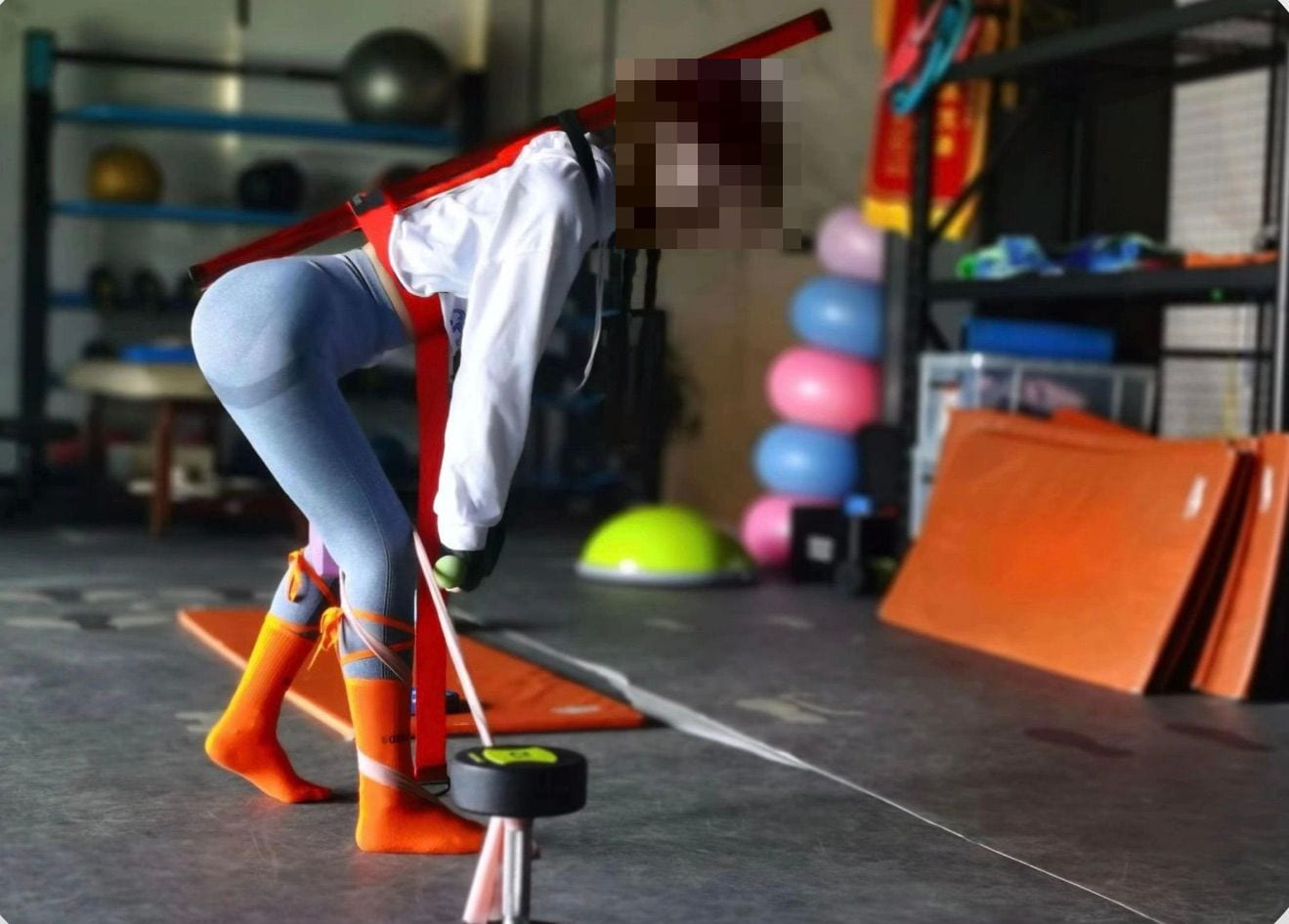
Deadlift coaching
Practise Romanian deadlifts while wearing it. The three contact points make trunk changes easy to see.
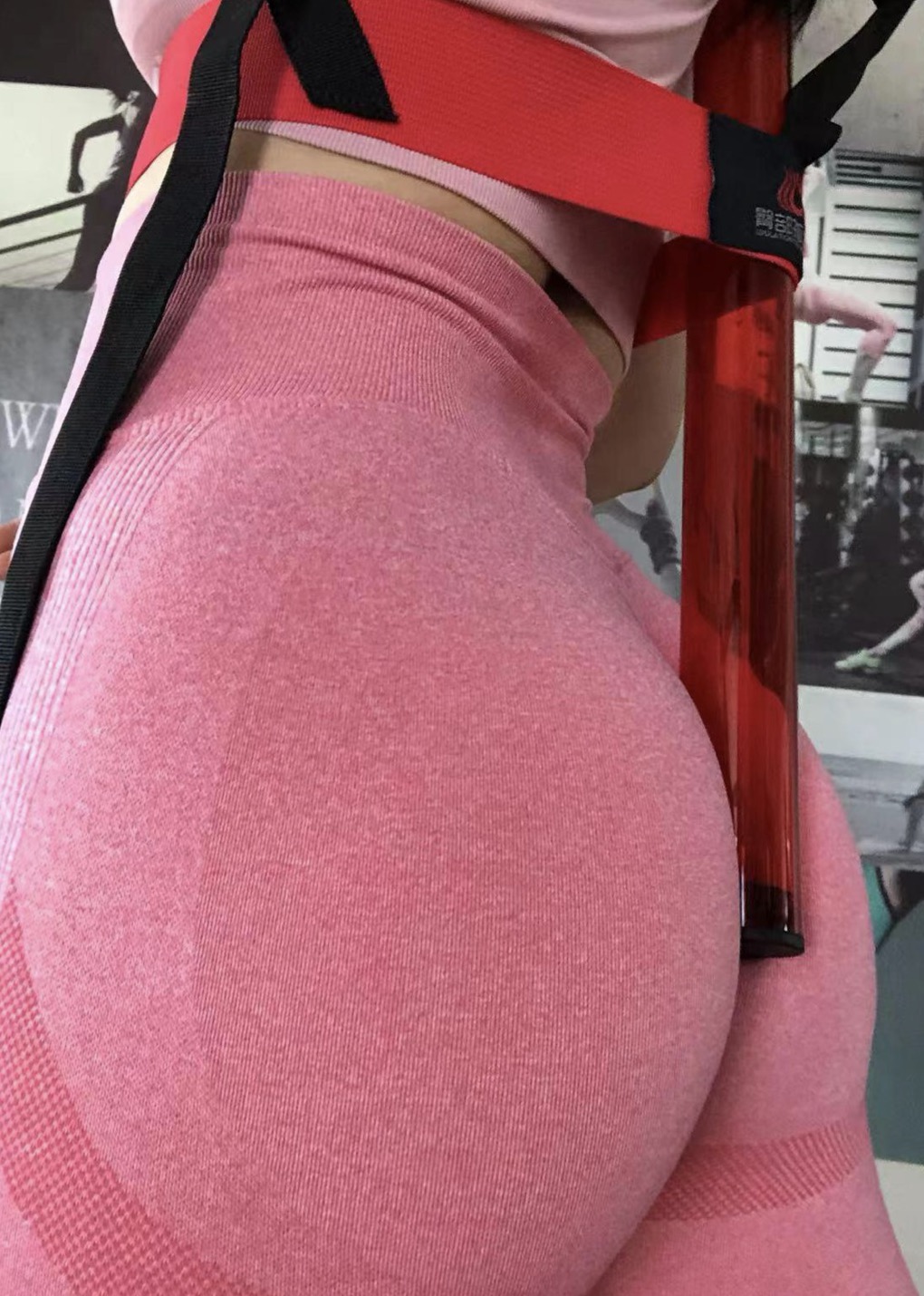
Ends above the glutes
The lower end stops near the sacrum, above the glutes, so it gives pelvic feedback without getting in the way of the hinge.
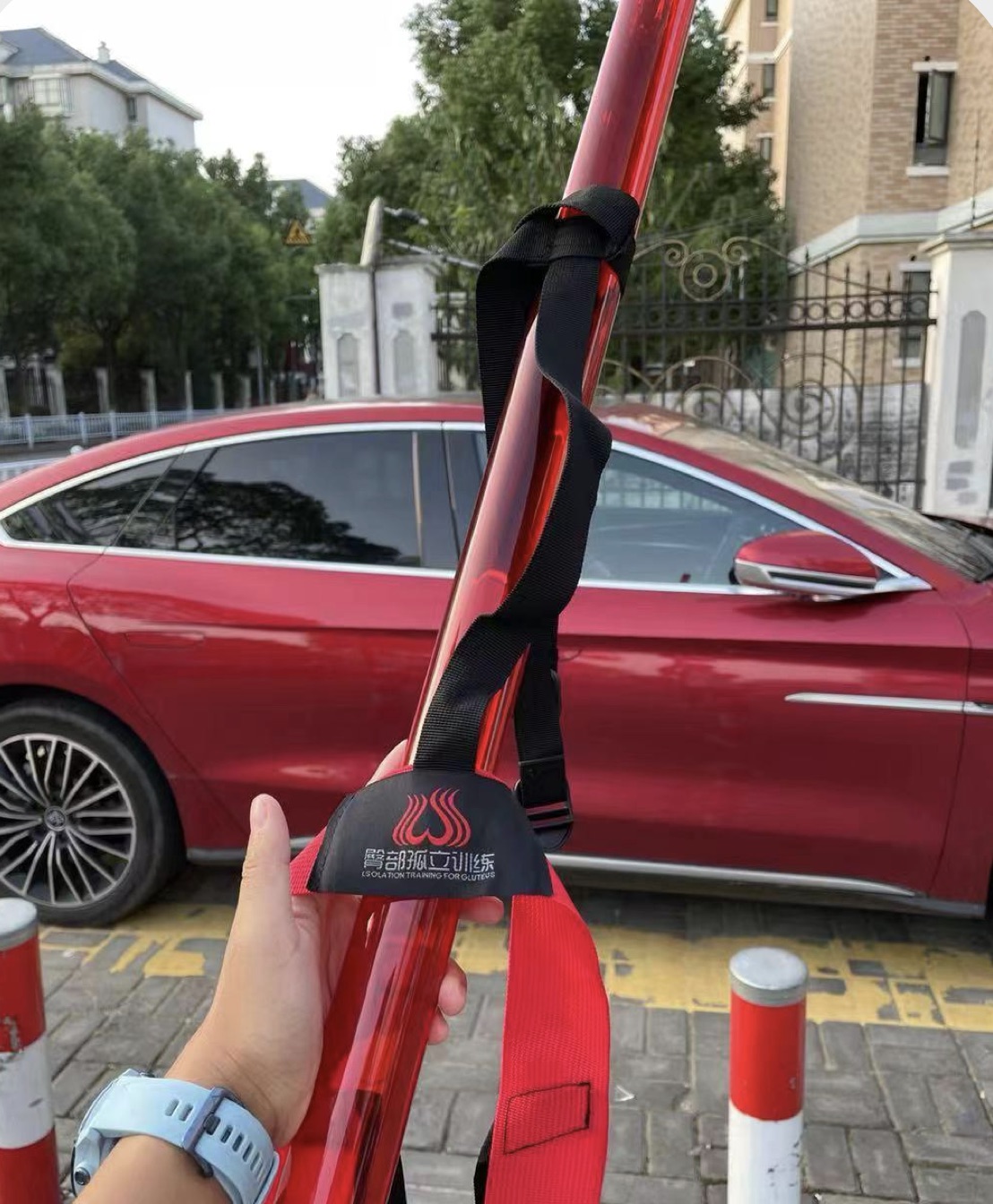
Wearable harness
Trunk straps and fixings hold the bar in place without your hands, adjustable to your build.
Every detail serves movement feedback.
01
Three-point guide
The bar runs along your back and contacts the head, upper back and sacrum area, so you can feel changes in spinal and pelvic position.
02
Wearable fixing
Trunk straps and fixings keep the bar in place, so you don't need to hold it and coaching is easier.
03
Ends above the glutes
The lower end sits near the sacrum, above the glutes, leaving the hips free to hinge while still giving pelvic feedback.
04
Adjustable straps
Adjust strap position and tension to your build and the exercise for a secure, comfortable fit.
05
Many exercises
Use it to teach the basic hinge, bodyweight good mornings and hip shifts, or to prepare for advanced glute and leg strength work.
For everyone who wants to hinge right.
Glute shaping enthusiasts
People who want to master gluteus maximus exercises and make leg days more targeted.
Beginners
People still learning the hip hinge who benefit from feedback.
Strength trainees
People refining deadlifts, good mornings and other hip-dominant lifts.
Coaches and training centres
For teaching the hinge, assessing movement and coaching technique.
Competition athletes
Movement control practice before glute and leg strength work, as your preparation requires.
Six steps to a better hip hinge.
- 1
Put it on
Place the bar along your back so it lightly touches the back of your head, upper back and sacrum area.
- 2
Adjust the straps
Tighten the fixings so the bar doesn't slip, without squeezing your rib cage.
- 3
Start position
Stand steady, knees softly bent, head, neck and spine comfortably neutral.
- 4
Push the hips back
Hinge slowly around the hips. Don't round your lower back to go deeper.
- 5
Keep three-point contact
Feel the three contact points. If you lose contact, shorten the range and reset.
- 6
Stand tall
Drive with your glutes and hamstrings back to standing. Don't lean back at the top.
Before loaded training, make sure the bar won't hit the barbell or other equipment.
Tech specs
- Product name
- Hip Hinge Alignment Trainer
- English name
- Hip Hinge Alignment Trainer
- Type
- Movement technique and motor control training aid
- Construction
- Back alignment bar, trunk straps, connecting fixings
- Colours shown
- Red bar, pink straps, black fixings
- Materials
- High-polymer acrylic (bar), nylon (straps)
- Bar size
- 101 cm long, 4 cm diameter
- Main uses
- Learning the hip hinge, trunk position feedback, glute and leg training support
- Exercises
- Bodyweight hinge, good mornings and other suitable hip-dominant exercises
- In the box
- Depends on the set purchased
- Made in
- China
Specifications refer to the current version on sale.
Before you buy.
Will it help lift my glutes?
It's a technique aid. Practising a cleaner hinge improves the quality of your glute and leg training.
Glute growth still comes from good resistance training, progressive load, nutrition and recovery.
Why three contact points?
Three points give clearer position feedback. When your head, upper back or pelvis moves, you notice and can correct it.
Does it force my spine straight?
No. Your spine has natural curves. The three points are a feedback method and don't ask you to flatten your neck, upper back or lower back.
Do I still need regular strength training?
Yes. The bar teaches technique and control. It doesn't replace the resistance training needed to build glute strength and muscle.
Can it reduce lower-back compensation?
With tactile feedback and practice, many people become better at sensing and controlling unwanted lower-back movement.
It can't guarantee to remove compensation and doesn't replace a professional assessment of pain or other movement problems.
Can I use it at home?
Yes, for bodyweight hinge practice, with safe space and the bar worn correctly.
Is there instruction after I buy?
Yes. Contact the Academy when it arrives to get the video course, covering the deadlift, sumo deadlift, good morning, lunge, front squat, barbell row, overhead press and common deadlift mistakes.
Send training videos regularly so a coach can help refine your technique.
MOVE FROM THE HIPS. CONTROL THROUGH THE SPINE.
Let the hips move. Keep the spine in control.
Quality glute training starts with understanding how you move. From learning the hinge to steadier trunk control to structured glute and leg strength, every session gets a clearer goal.
Hip Hinge Alignment Trainer: glute training with method.
Ready to train with more control?
This is an exercise training aid, not a medical, orthotic or treatment device. Don't press the bar hard against your head, neck or back; keep your natural curves. It can't guarantee to prevent injury, treat back pain or correct structural spinal conditions. Before loaded training, make sure it won't hit the barbell or other equipment.
Hip Hinge Alignment Trainer
CN¥688.00